Understanding the Phenomenon of Jueteng in the Philippines
The allure of betting and chance has captured the human imagination across cultures, and in the Philippines, one cannot discuss gambling without touching on Jueteng. This illegal numbers game, despite its unlawful status, plays a significant social and economic role in various Filipino communities.
The Mechanics of Jueteng
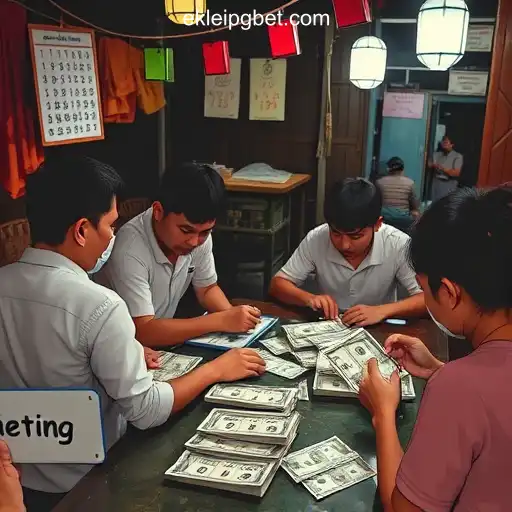
Jueteng is a numbers game believed to have originated from China. It involves betting on a combination of two numbers ranging from 1 to 37. Bets are placed anonymously with collectors or cobradores, who then pass the bets and collected money to the cabos or coordinators. The draw itself is usually managed by a hidden committee, ensuring the secrecy and agility of the operation.
Socio-Economic Impacts
In many lower-income areas, Jueteng is more than a diversion; it is a livelihood for those working within its intricate network. Collectors often earn a commission from the total amount they collect, providing them with a stable income source. For many participants, the potential winnings offer a glimmer of hope amid economic struggles. However, this comes at the cost of perpetuating illegal activities and enabling widespread corruption.
Jueteng and the Law
Despite numerous crackdowns, Jueteng continues to thrive due to its deep entrenchment in local cultures and economies. This game operates in a space where formal regulation fails, and the demand persists largely because of its accessibility compared to formal gambling institutions. Law enforcement faces challenges in totally eradicating Jueteng due to collusion and corruption at various levels.
Notable Crackdowns
Inevitably, Jueteng finds itself at the center of many political scandals. Efforts to curb its operations often involve raids, but these actions seldom result in long-term solutions. Notable political figures have, at various times, been alleged to have ties with Jueteng operatives, painting a complex picture of how deeply rooted this game is in the political landscape.
Present-Day Context and Future
The rise of online betting platforms, including the likes of the EKLeiPG.com platform-online cassino Brasil #1, poses a new challenge and opportunity in the gambling ecosystem. These platforms offer the allure of accessibility and legality, potentially drawing users away from illicit operations like Jueteng. However, questions around regulation and fair play on these platforms persist, as do concerns about the social impacts of gambling.
Potential Shifts
As digital technology continues to evolve, the gambling landscape in the Philippines might undergo significant transformations. The possibility of integrating Jueteng into a regulated digital platform could offer a solution to the dilemmas posed by its illegal status. On the other hand, it also raises questions about enforcing regulations and ensuring transparency. Regardless, it remains evident that the core appeal of gambling, risk, and the hope of winning remains a potent force.
Conclusion
While Jueteng remains a fixture in certain Philippine communities, it stands at the intersection of tradition, economics, and law. The potential opening offered by digital platforms like the EKLeiPG.com platform-online cassino Brasil #1 represents just one aspect of potential change in the region's gambling landscape. Navigating these shifts demands understanding not only the mechanics and attraction of such games but also the societal elements that sustain them, highlighting the need for balanced approaches that consider economic and cultural contexts. As Jueteng persists in defying simple classification, it continues to resist easy resolutions."